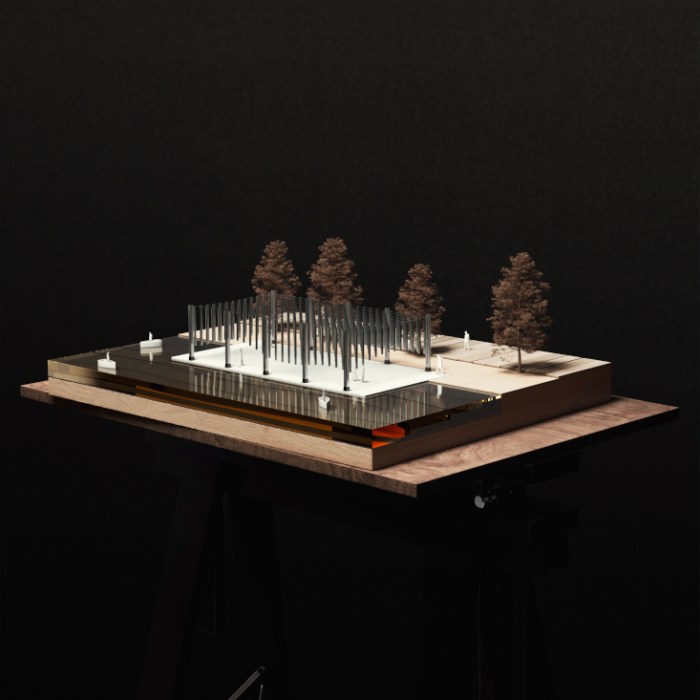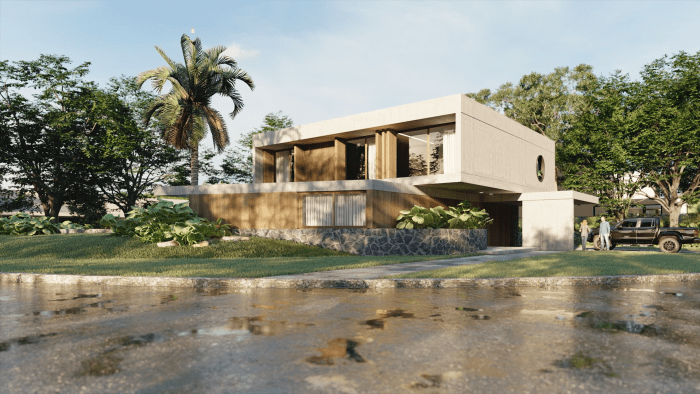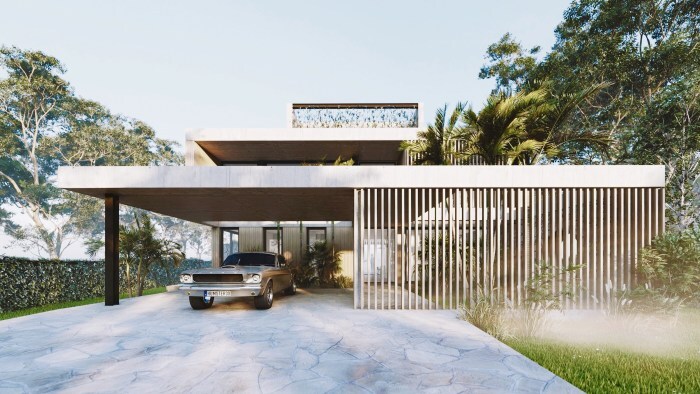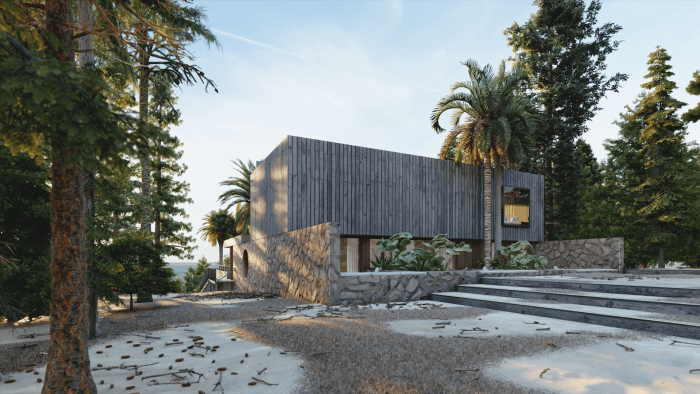


Virtual reality
Visualize your projects realistically before they are
before they are built with JVA Renders
Realistic visualization of your projects before they are built with JVA Renders
why use JVA Renders virtual reality?
Companies need innovative tools to stand out and deliver value to their customers. This is where virtual reality plays a crucial role, allowing them to visualize projects realistically before they are built. Something that is much more significant in the construction sector and the real estate market. Let's take a look at the advantages of virtual reality projects.
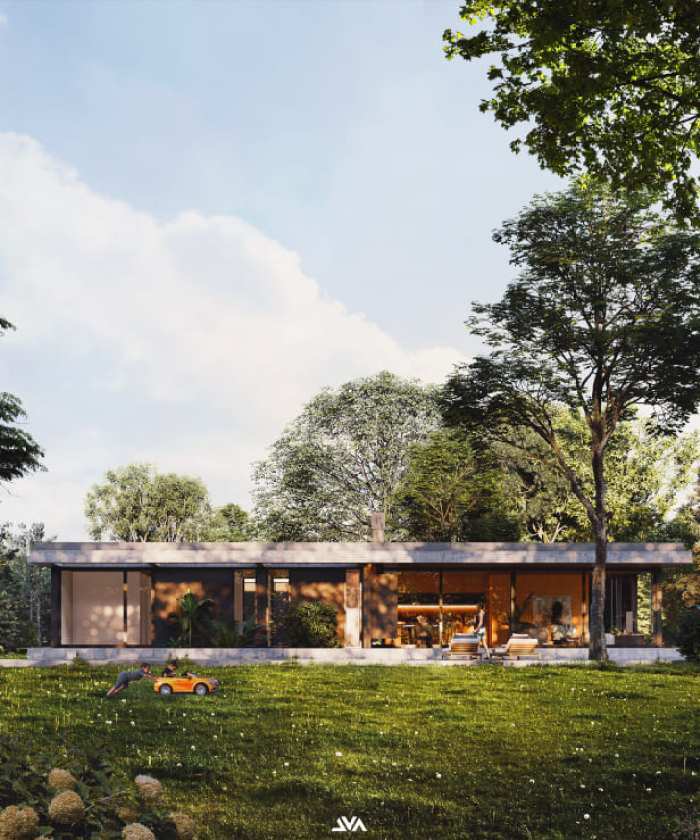

ADVANTAGES OF USING JVA Renders virtual reality
Customers can see the entire project, change details and make adjustments before construction begins. By being able to visualize it, users and customers can make more informed decisions because they have a clear perception of what the final result will look like. This reduces errors, misunderstandings and the need to make costly changes after the fact.
Virtual reality offers a fully immersive experience, allowing users to interact with digital environments as if they were in the real world. This is especially useful in sectors such as construction, where customers can explore a property or project before it is built.
In fields such as architecture and real estate, virtual reality allows clients to visualize and tour properties in 360 degrees, achieving a much more accurate understanding of the space than with static images or 2D floor plans.
Virtual reality can simulate processes, products or scenarios before investing in their physical creation, saving time and resources. For example, in construction, potential design problems can be foreseen before work begins, minimizing delays and additional costs.
For sectors such as real estate, virtual reality makes it possible to show properties to potential buyers anywhere in the world, without the need to travel. This generates a greater impact on the client and increases the chances of closing sales. In addition, stunning visualizations make projects stand out in the real estate market.
FAQ: Frequently asked questions about virtual reality
Virtual reality allows architects, developers and clients to digitally explore a project before it is built. Through immersive tours, users can experience spaces, change finishes and visualize environments as if they were physically there. This improves design understanding and facilitates decision making, resulting in more efficient planning.
Virtual reality allows buyers to explore a property in an immersive way, even if it has not yet been built. This gives them a much richer experience than static images or 2D floor plans, generating greater confidence in the purchase. Virtual tours allow them to see what the property will look like in real life, reducing hesitation and speeding up the sales process.
The cost of implementing virtual reality can vary depending on the complexity of the project and the specific needs of the client. However, the benefits it brings in terms of efficiency, error reduction and improved business presentation usually compensate for the initial investment. In addition, as technology has advanced, costs have decreased, making this solution accessible for a variety of projects.
Virtual reality creates a completely digital and immersive environment in which the user interacts, while augmented reality superimposes digital elements over the real environment seen through a screen or glasses. In VR, the user is immersed in a completely new world, while in AR, the user still sees the real world with additional information or graphics over it.
The time required to develop a virtual reality project depends on the complexity of the project. For a single-family house, it can take from a few weeks to a month, while larger projects, such as buildings or residential complexes, can take a few months. Our company is in charge of adjusting the deadlines according to the client's needs and the scope of the project.