

Architectural visualizations
Make your idea a reality with JVA's detailed and realistic renderings
detailed and realistic renderings of JVA Renders
Make your idea a reality with JVA Renders' detailed and realistic renderings.
Custom architectural visualizations in JVA Renders
JVA Renders ' architectural visualizations provide a preview of what a project will look like before it materializes, facilitating decision-making and communication between architects, clients and investors.
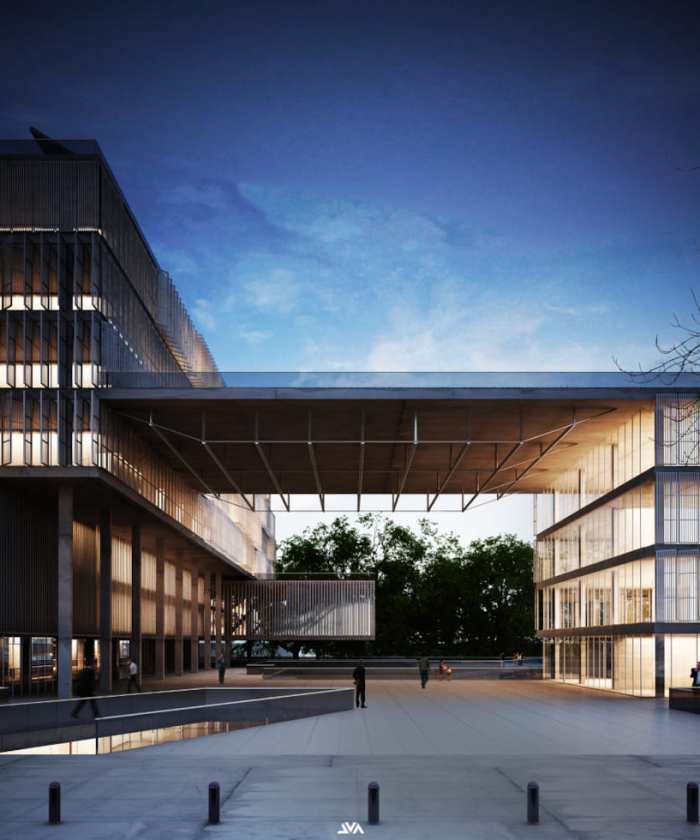
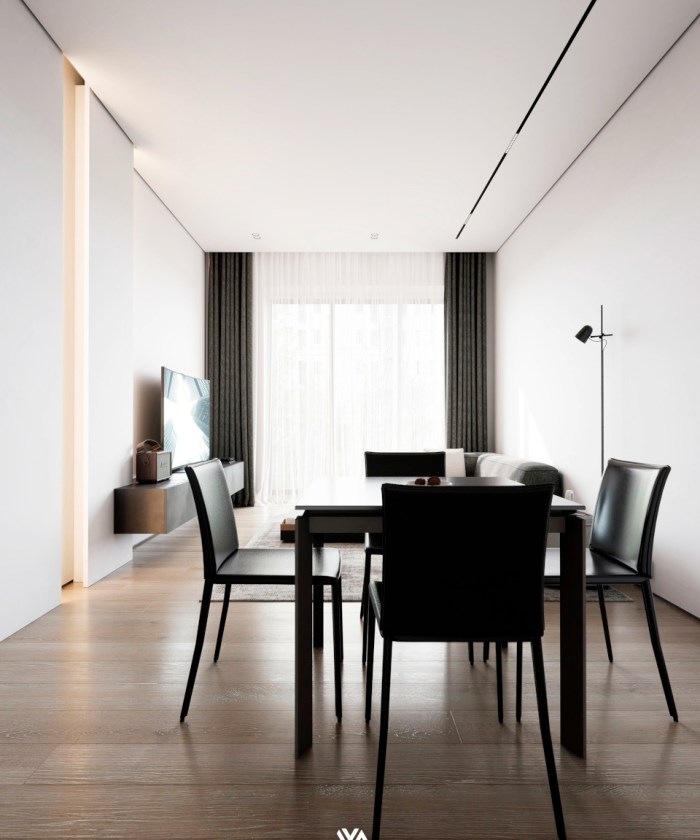
advantages of Architectural Visualizations in JVA Renders
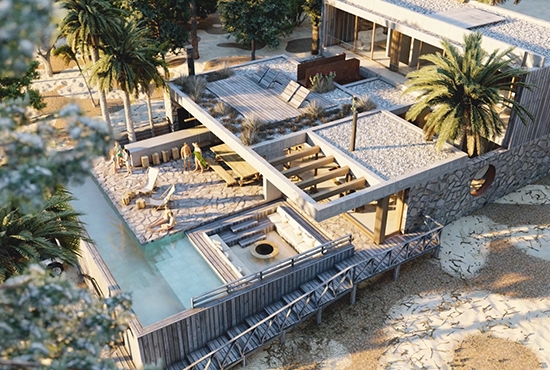
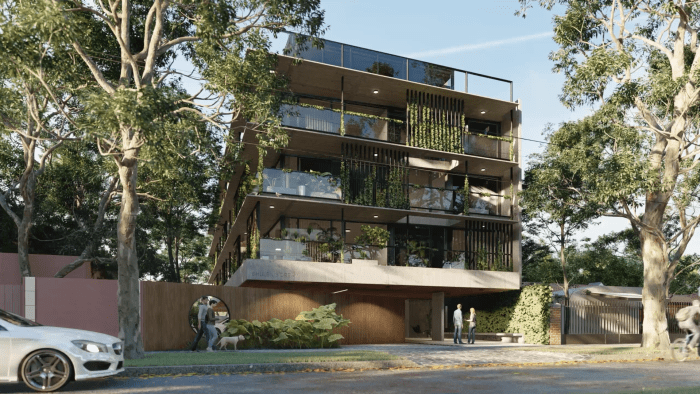
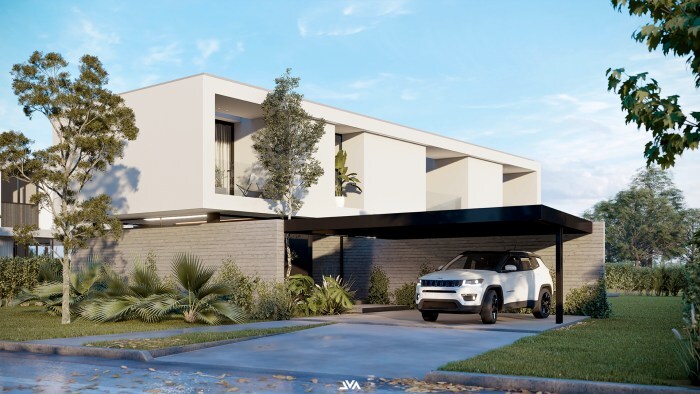
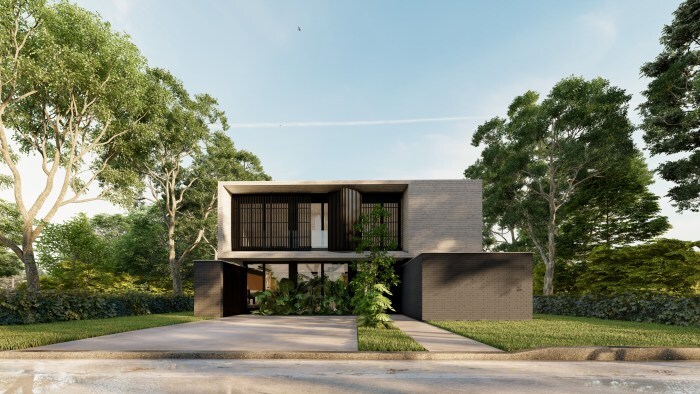
Through advanced 3D modeling, rendering and light simulation techniques, our architectural visualizations capture every aspect of the design, from spatial layout to materials and finishes.
These images help detect potential problems prior to construction and are also essential for marketing and selling projects by providing clients with a clear and compelling view of the final product.
Architectural visualizations are the link between imagination and reality, allowing everyone involved in a project to see, explore and refine every detail before the first stone is laid.
They are also tools for presenting projects to clients, authorities or the general public. Visualizations make it possible to show how a building or space will look once it is built, which is essential for obtaining project approval and attracting investors.
Architectural visualizations facilitate communication between architects, clients, developers and investors by translating complex ideas and technical concepts into clear and understandable images. This helps everyone involved understand the design and make informed decisions.
In real estate, architectural visualizations are crucial for marketing projects. They can be used in promotional materials, websites and other media to attract potential buyers by showing them a realistic representation of the property.
They also allow you to experiment with different materials, colors, lighting and spatial configurations without the need to physically build, providing flexibility to test different options and optimize the design.
FAQ: Frequently asked questions about architectural visualizations
Architectural visualizations are graphic representations of architectural projects, showing what the final design will look like before construction. They can be in 2D or 3D, and range from simple floor plans to photorealistic images or even virtual tours. The goal is to communicate the design, proportions, materials and overall aesthetics of the project to clients, investors or construction teams.
There are several types of architectural visualizations, depending on the objective and target audience:
3D still images: High-quality rendered images that show how a space will look at a specific time.
Virtual tours: Allow users to "walk" through the project using virtual reality or pre-recorded videos.
Interactive floor plans: Models in which the user can explore different angles and details of the design.
2D visualizations: Technical drawings, sections, elevations or conceptual diagrams that show the design schematically.
3D animations: Videos that show how a space changes over time or from different points of view.
Architectural visualizations offer several benefits for both architects and clients:
Clarity: They provide a clear understanding of what the final project will look like before it is built.
Effective communication: They facilitate communication between architects, clients and contractors.
Early error correction: They help identify potential problems in the design before construction.
More engaging presentations: Photorealistic images and walk-throughs can be powerful tools for attracting investors or selling a project.
Customization: Clients can visualize different material, color and finish options realistically.
It depends on the type of visualization and how it was created. In general, 3D models are quite flexible and allow relatively quick changes in design, materials or lighting. However, in the case of complex animations or renderings, changes may require re-rendering, which can be more costly and time-consuming.
Architectural visualizations serve a variety of key purposes in the design and development process of architectural projects. In addition, it offers a host of advantages to the construction and architectural industry by giving a true perception of the project.