


Complete step-by-step guide on Creating Infographics.
Introduction
Infographics are essential tools in architecture to visualize projects clearly and in detail. This article will provide you with a complete guide on how to create infographics for architecture, from conceptualization to completion.
Creation Process
Conceptualization
The first step in creating infographics for architecture is to define the purpose of the infographic and the message you want to convey. This includes identifying the target audience and determining the key information that should be highlighted.
Diagram of the conceptualization process.
step 1

Images
at
draft
step 2

Texturing

step 4

Post-production, minor adjustments
and delivery
Design and Development
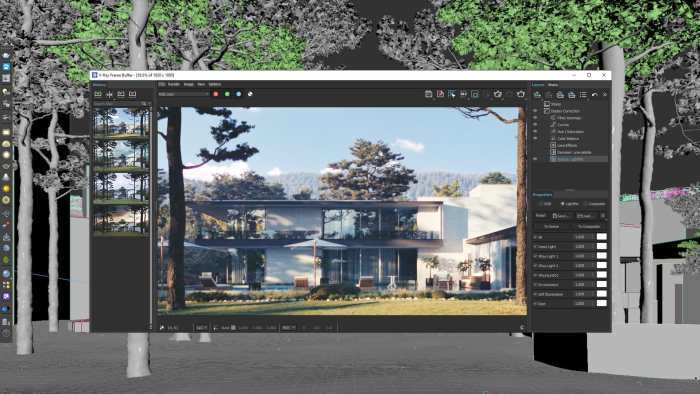
Use tools such as AutoCAD, SketchUp and Blender to create accurate 3D models. The design must be clear, with a logical structure that facilitates the understanding of the information.
Review and Adjustments
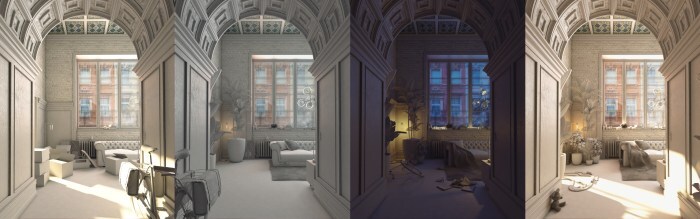
Perform tests and adjustments to ensure the quality and clarity of the infographic. Involve stakeholders at this stage to receive feedback and make any necessary corrections before the final presentation.
Tools and Techniques
Software Used
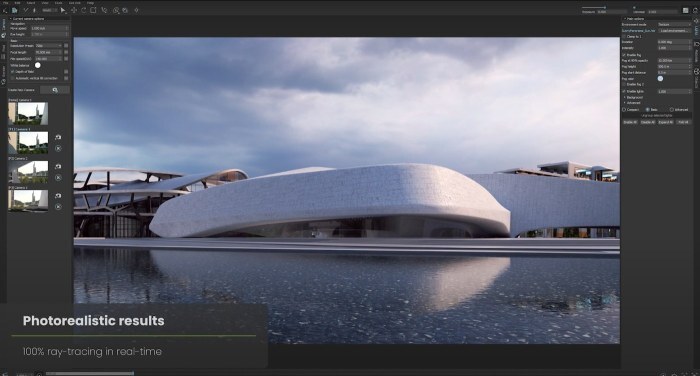
The most common tools for creating architectural infographics include AutoCAD, SketchUp, Blender, V-Ray and Lumion. These tools allow you to create detailed and realistic renderings.
Advanced Infographics Techniques
The use of realistic lighting and materials can significantly improve the quality of infographics. Techniques such as real-time rendering and the integration of augmented reality elements can offer more immersive experiences.

Case Studies
Outstanding Projects that Have Used 3D Infographics
Several architectural projects have improved their presentation and approval thanks to 3D infographics. These case studies show how detailed visualization helps to better communicate the design and gain stakeholder approval.
Brownie Homes: Effective Marketing with High Quality Renderings
For Brownie Homes, another prominent real estate project, 3D renderings were used as a central part of their marketing strategy. These high-quality images were displayed in brochures, websites and presentations, providing an engaging representation that captured the essence of the project's design. The renderings were essential in attracting investors and buyers, demonstrating how the homes would integrate into their natural and urban surroundings.
Bridges Over Maolong Waterway: Innovation in Architecture Competitions
The "Bridges Over Maolong Waterway" project stood out in the architectural competition, where 3D renderings played a key role in visualizing innovative solutions to a complex design challenge. These renderings allowed the jury and viewers to fully appreciate the integration of the structures with the natural landscape, which led to the project winning the Gold Winner award. This success not only underscores the importance of renderings in architectural competitions but also how they can decisively influence the perception of a project.
Sindalah: Attracting Large Scale Investments
In the Sindalah project, part of NEOM's ambitious development, 3D rendering was crucial to present the project to investors and stakeholders. The visualizations provided a stunning view of what this luxury resort destination would look like, highlighting its innovative and sustainable design. These renderings helped secure the financial support needed to bring a project of such magnitude to fruition, demonstrating how 3D rendering can be a powerful tool for attracting significant investment.

Conclusion
Infographics are essential in modern architecture. By following this guide, you can create stunning visualizations that will enhance the presentation and understanding of your projects. Use the services of JVA Renders to ensure the quality and success of your architectural infographics.
JVA Renders achievements at the BUILD Construction & Engineering Awards 2019.
